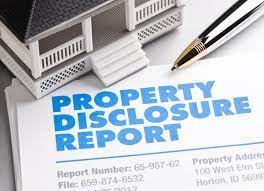
Why a natural hazard report adds value to your property transaction
When it comes to property transactions, accurate information is everything. For buyers, sellers, investors, and agents alike, understanding the risks and advantages of any given property is fundamental to making informed decisions. One tool that has become increasingly essential in real estate is the natural hazard report. This document, rich with critical data, provides insights into how natural risks can impact a property’s value, safety, and long-term suitability.
This post explores the key benefits of ordering a natural hazard report, how it streamlines the transaction process, and why it’s trending as a valuable standard in modern property exchanges.
What is a Natural Hazard Report?
A natural hazard report is a detailed document outlining any known or predicted risks on or near a property. These risks can include earthquakes, floods, bushfires, landslides, and other natural events. The report relies on scientific data, local authority updates, and environmental models to offer a snapshot of how natural hazards could affect the property now and into the future.
The insights found in natural hazard reports are shaping smart property decisions, as buyers and sellers turn to statistics-led advice before closing deals.
Clarity for Buyers and Sellers
One of the standout benefits of a natural hazard report is the transparency it brings to the property buying or selling process. Any uncertainty around hidden risks can halt a deal, delay settlements, or result in an unfair outcome for one of the parties. When a natural hazard report is available:
- Buyers know exactly what they are getting into, reducing the risk of future disputes.
- Sellers can market their property with confidence, assured that all critical risks are disclosed and managed.
Buyers can compare properties more directly using quantitative hazard exposure data, helping guide their investment decisions. Sellers benefit by reassuring prospective buyers that every precaution has been taken for a safe transaction.
Enhancing Due Diligence
Thorough due diligence is central to property transactions, and natural hazard reports make it easier to conduct comprehensive checks. Relying solely on basic property information may overlook crucial threats that can impact property stability, value, or insurance premiums.
With a natural hazard report, parties involved in the transaction can:
- Cross-reference statistics on natural disaster frequency and severity in the property’s immediate area.
- Make informed comparisons among similar listings, armed with objective data rather than assumptions.
- Strengthen the negotiation process by coming to the table with robust, third-party validated information.
Greater depth in due diligence leads to fewer transaction interruptions and post-sale regrets.
Risk Mitigation and Valuation
Properties vary not only by their physical attributes but also by the unique risks posed by their geographies. Flood-prone land, bushfire zones, and seismic hotspots can increase living costs, lower resale value, or disrupt home usage. A natural hazard report quantifies these risks, allowing buyers and sellers to:
- Factor potential costs of future natural disasters into the transaction, whether in terms of retrofitting, insurance, or emergency planning.
- Evaluate the property’s true market value more accurately, granting a strategic edge to those relying on hard data.
- Prevent value overinflation by aligning price with objective risk assessments.
The result is fairer pricing and a more resilient real estate market.